

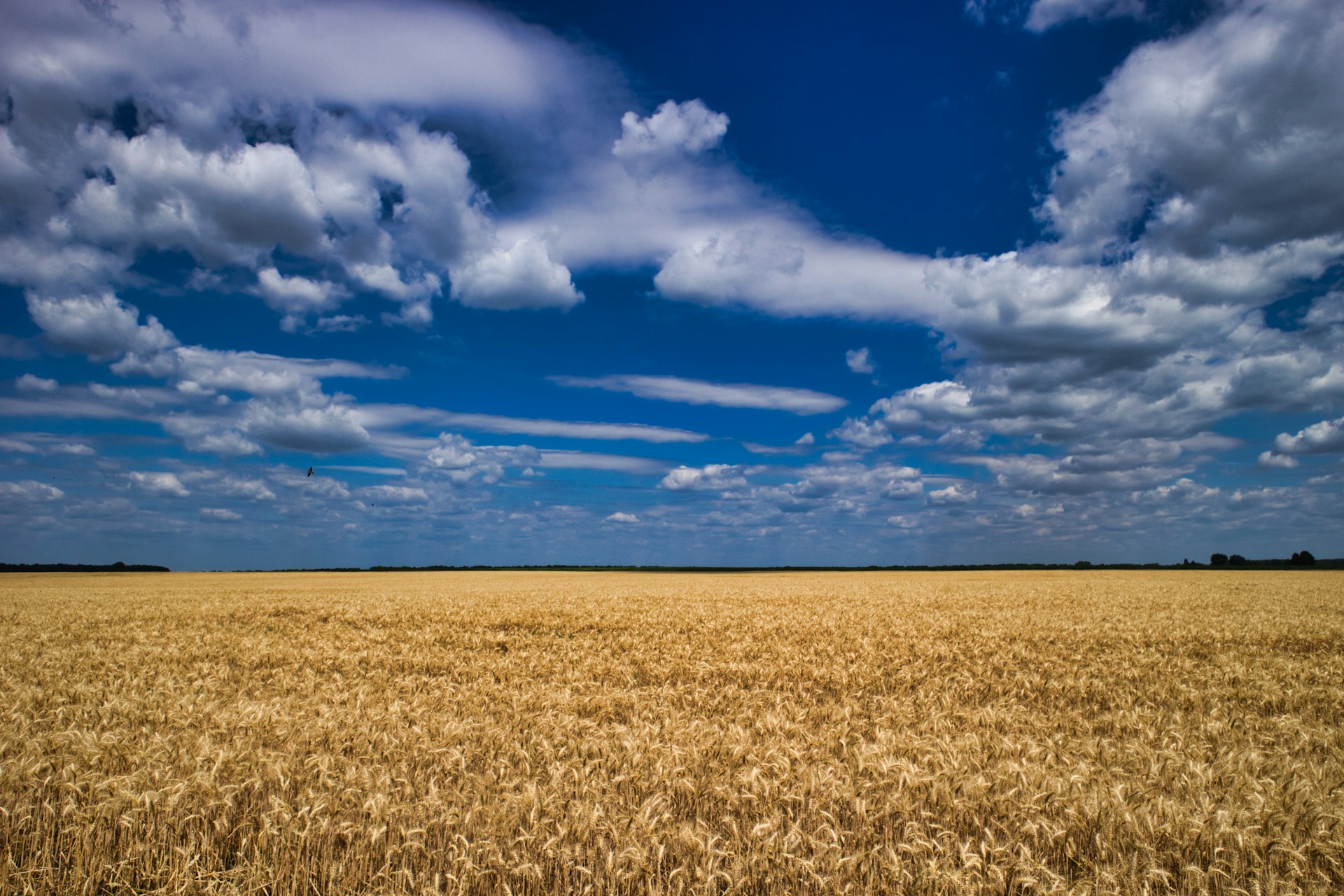
Kyiv is rejecting any permanent restrictions on Ukrainian agricultural products entering the EU market. Ukrainian Agriculture Minister Taras Vysotskyi has made it clear that Ukraine may accept a transitional period, but permanent restrictions would contradict the logic of full EU membership. Kyiv ultimately wants to sell in Europe not only grain, but also feed, ingredients, processed products and biofuels.
The EU, through Commissioner for Enlargement Marta Kos, acknowledges that farmers in member states need to be protected. She said that Ukraine “will and can become a member of the Common Agricultural Policy, but the terms under which this happens will be subject to discussion”.


We also need to protect farmers in the EU, and we are already discussing this issue with Ukraine
– the EU commissioner added.
And this is where the problem begins, because Ukraine apparently does not intend to negotiate any such limitations.
Polish farmers have already learned what can happen when Ukrainian agricultural products enter the market without effective controls. During the first phase of the war, huge quantities of grain that were supposed to transit through Poland ended up on the domestic market. There were protests, border blockades and decisions to restrict imports.
Ukraine wants to use EU membership to gain full access to the European market.
The Ukrainian minister has even spoken of an ambition to turn Ukraine into a destination for investment in food processing and an important supplier for Europe. The problem is that Ukrainian agriculture has a completely different structure from Poland’s. The largest agricultural holdings control hundreds of thousands of hectares. Is a Polish farmer really supposed to compete on the same market with farms operating on that scale?
And the most important question is this: Are there any limits to Ukraine’s demands for favorable treatment and unconditional concessions from the European Union?
The rest of the article appears below the photo.
EU membership comes with rights, but it also requires consideration of the interests of existing member states. Poland has every right to expect that its agricultural sector will not be treated as collateral damage in accession talks over Ukrainian integration. Polish farmers and businesses know very well what EU membership entails – there are benefits, but there are also major obligations. The question is what ultimately outweighs what.
Helping Ukraine during the war is one thing. Agreeing to arrangements that could permanently hurt Polish agriculture, which accounts for more than 10% of Poland’s GDP, is an entirely different matter.
Who, exactly, will be competent enough to protect Poland’s interests in these negotiations?



