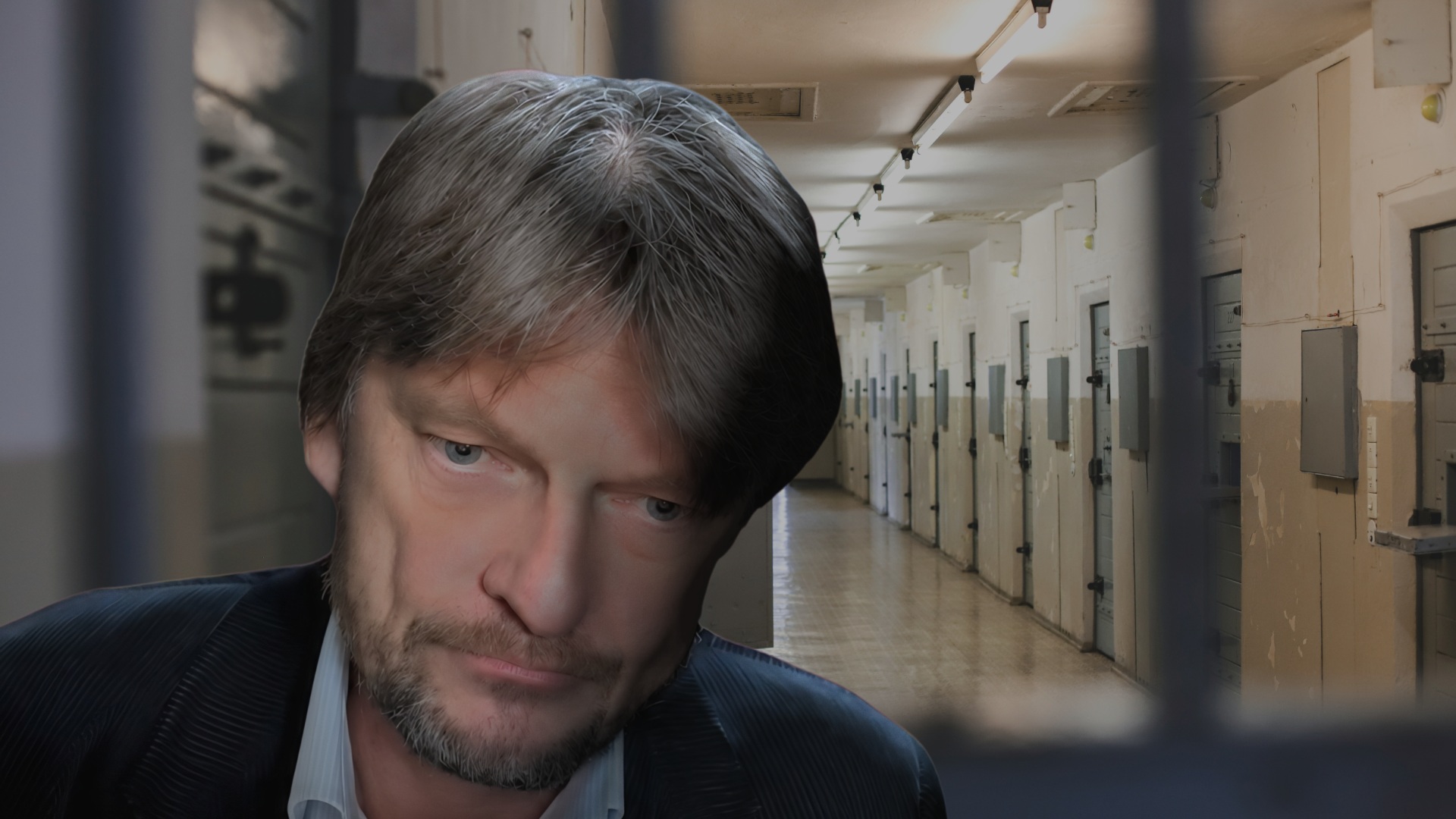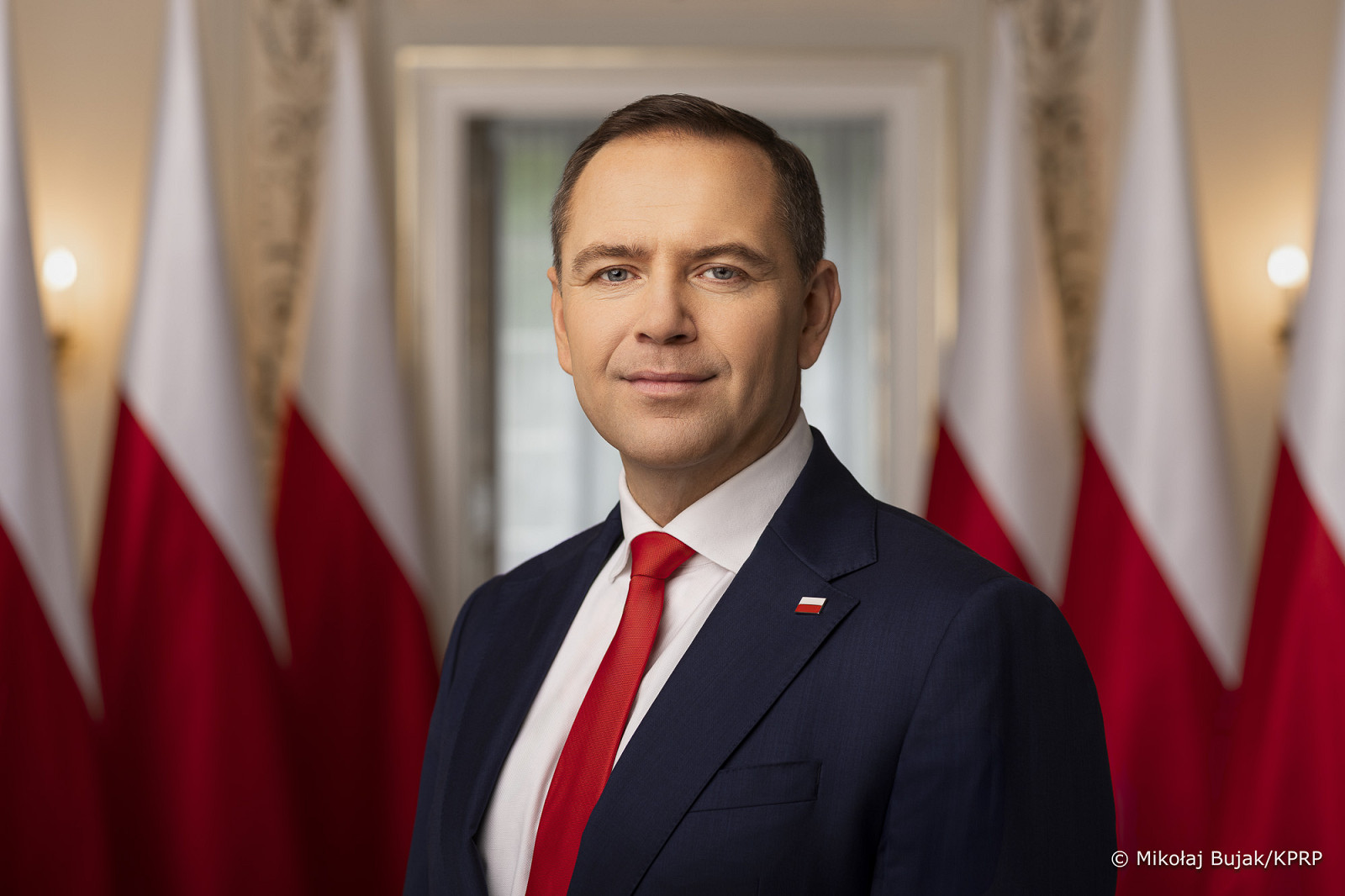
Donald Tusk Government A false emergency alert triggered a forced entry by security services into an apartment belonging to Polish President Karol Nawrocki, escalating political tensions between the presidential camp and Donald Tusk’s government.
Security Services Enter Apartment Belonging to President Karol Nawrocki
The incident took place on the evening of May 23, 2026, in the city of Gdańsk. Emergency operators received a report about a fire and a life-threatening situation inside an apartment belonging to the family of Polish President Karol Nawrocki. According to media reports, the apartment is owned by the president and is currently occupied by his mother.


Police, firefighters and emergency medical teams were immediately dispatched to the scene. Authorities later confirmed that the alert also included information about a possible cardiac arrest inside the apartment. After arriving at the location, emergency services were unable to establish contact with anyone inside.
Because of the potential threat to human life, officers decided to force entry into the apartment. The door was broken down, but the alert later turned out to be completely false.
Presidential Camp Speaks About Political Harassment
The case was quickly publicized by presidential spokesman Rafał Leśkiewicz, who stated on social media that security services had forced their way into the apartment during the absence of residents.
Representatives of the presidential camp argue that the incident is part of a broader pattern targeting conservative politicians, opposition activists and journalists linked to right-wing or independent media outlets. Over the past several weeks, there have been reports about similar false emergency alerts involving opposition figures. An attempt was also reportedly made to force entry into the home of opposition leader Jarosław Kaczyński.
Supporters of President Nawrocki describe the situation as political intimidation carried out under the administration of Prime Minister Donald Tusk.
Donald Tusk Government Calls It a Dangerous Provocation
The Polish government rejected accusations of politically motivated actions. Prime Minister Donald Tusk described the incident as “another telephone provocation” aimed at destabilizing state security and public institutions.
Interior Minister Marcin Kierwiński convened an emergency meeting of security services on the same evening. The Ministry of Internal Affairs later stated that officers had acted fully in accordance with emergency response procedures because the report suggested an immediate threat to life.
The ministry also confirmed that anonymous text messages and emergency calls would continue to be treated seriously by state services, even amid a growing wave of false alerts.
Government spokesman Adam Szłapka declared that “the state will respond decisively” and promised efforts to identify those responsible for the hoax.
False Alarms Become a New Front in Poland’s Political Conflict
The incident immediately became part of the increasingly bitter political conflict between President Karol Nawrocki and Donald Tusk’s government.
For the government, the case highlights the danger of anonymous provocations capable of disrupting emergency services and undermining public safety. For the presidential camp and conservative opposition, it is further evidence of what they describe as a climate of pressure and intimidation directed at right-wing circles.
The investigation into the author of the false alert is ongoing. No arrests have yet been announced. Meanwhile, the incident continues to dominate political debate and social media discussions across Poland.